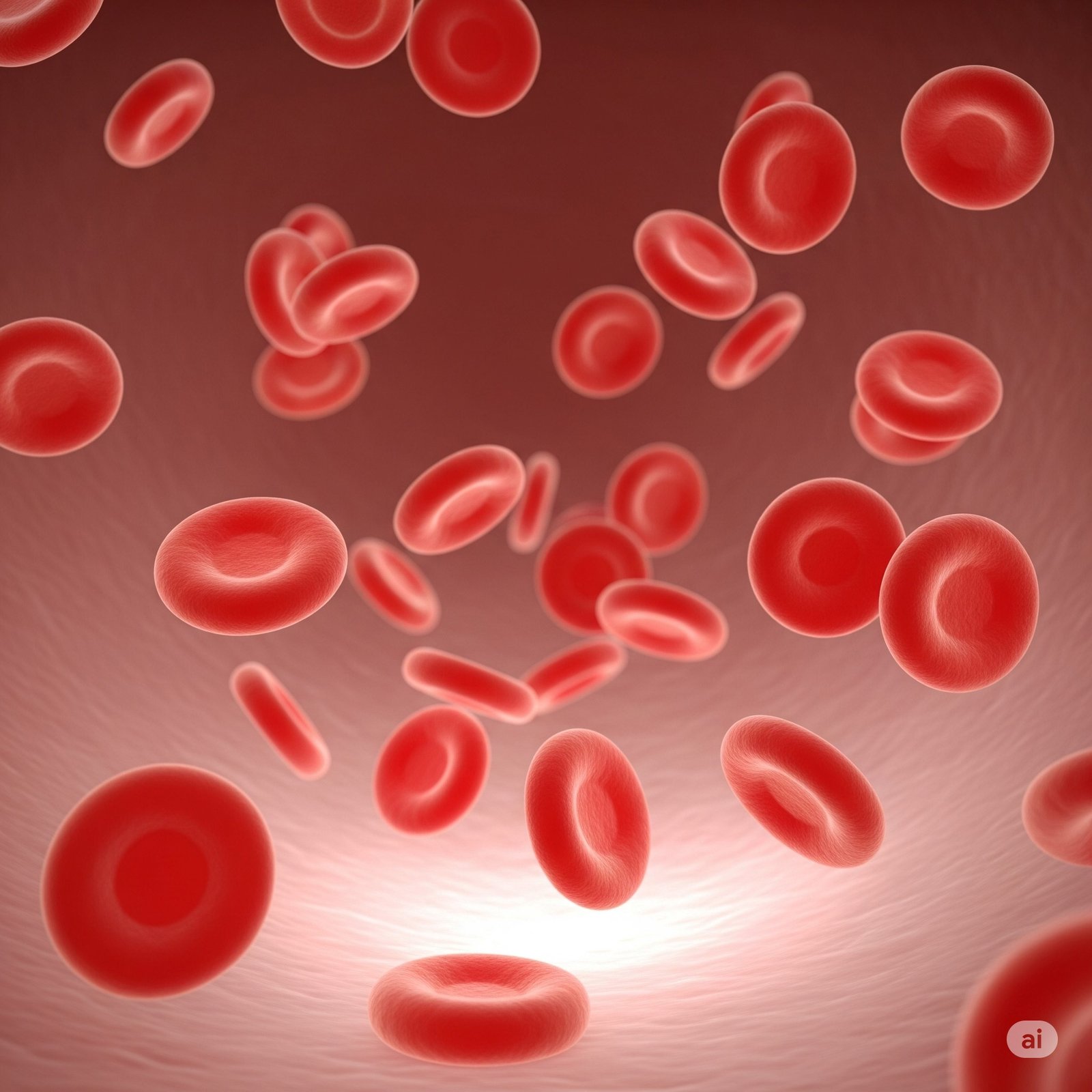
Sickle Cell Awareness


Sickle Cell Awareness: Why It Matters


Sickle Cell Disease (SCD) is a serious inherited blood disorder affecting millions worldwide, especially people of African, Mediterranean, Middle Eastern and Indian descent. In the U.K., approximately 17,000 people are affected by sickle cell.

SCD causes red blood cells to become rigid and sickle-shaped, blocking blood flow and leading to severe pain, fatigue, infections, and even stroke. Early diagnosis through newborn screening and proper care—including medications, transfusions, and in some cases, bone marrow transplants—can greatly improve outcomes.

Despite its impact, SCD is often overlooked in research, funding, and public discussion. Raising awareness is crucial for increasing support, reducing stigma, and ensuring patients receive the care they need.

How You Can Help

  • Educate yourself and others about SCD


  • Support advocacy groups like the SCDAA


  • Donate or fundraise to support patients and research.


  • Amplify the voices of those living with SCD


Spreading awareness leads to better understanding, care, and ultimately, a better life for those affected by sickle cell disease.


For more information, look click on this link to be directed to the NHS website https://www.nhs.uk/conditions/sickle-cell-disease/


Understanding ADHD

A black and green sign with white text AI-generated content may be incorrect.

Understanding ADHD

A person in a room with many objects AI-generated content may be incorrect.

Understanding ADHD

ADHD is a neurodevelopmental condition affecting attention, activity levels, and self-control. It involves inattention, hyperactivity, impulsivity, and emotional regulation challenges that impact daily life.

Common Signs

Symptoms appear before age 12 and vary (inattentive, hyperactive-impulsive, or combined). These include difficulty focusing, distractibility, hyperactivity, impulsivity, disorganisation, forgetfulness, emotional swings, restlessness, and trouble waiting.

How to Help

Support requires patience, understanding, and often professional help (therapy, medication). Clear communication, routines, focusing on strengths, a healthy lifestyle, and encouragement are key to helping individuals with ADHD thrive.

For more information, head over to the NHS website: ADHD (Attention Deficit Hyperactivity Disorder)

How to choose the right domiciliary care provider for your loved one

How to choose the right domiciliary care provider for your loved one

Choosing the right domiciliary care for your loved one involves careful consideration to ensure they receive the best care at home.

Assess Needs

Medical: Consider if they need medication management, wound care, or mobility assistance. Personal Care: Determine if they need help with daily activities like bathing, dressing, or hygiene.

Companionship: Assess if they need emotional support and social interaction.

Cognitive: If they have dementia or Alzheimer’s, specialized care may be needed.

Research Providers:

Look for reputable agencies, check reviews, and get recommendations from healthcare professionals or loved ones.

Ensure the agency is regulated by an authority (e.g. Care Quality Commission in the UK).

Understand Care Types:

Hourly care: Caregiver visits for a set amount of time.

Live-in care: A caregiver stays 24/7.

Respite care: Temporary care for breaks.

Check References & Background:

Ask for references from other families and verify caregiver background checks for safety and reliability.

For more information, click on the link to be directed to Bess Care’s website https://besscare.co.uk

The benefits of personalised care at home

The benefits of personalised care at home: Why domiciliary care is the future?

Domiciliary care is becoming increasingly popular as it allows people to receive care in the comfort of their own homes. This can be a significant advantage for people who are elderly or disabled, as it allows them to maintain their independence and quality of life.


Person-centered approach – Domiciliary care is tailored to the individual needs of each person, which means that people receive the specific care they need, when they need it.

Cost-effective – Domiciliary care can be more cost-e ective than other forms of care, such as residential care. This is because people only receive the care that they need, rather than paying for 24 hour care.

Flexibility – Domiciliary care can be provided at any time of day or night, which means that people can receive care when it is most convenient for them.

Convenience – Domiciliary care can be provided in the comfort of people’s own home, which can be more convenient than travelling to a care facility.

Overall, domiciliary care is a more person-centered, cost-effective, flexible and convenient way to receive care. As the population ages, it is more likely that domiciliary care will become even more popular in the future.

For more information, please call Bess Care on 0121 526 4978